

Rodent Control Knowledge
Rodents are almost an overlooked threat in Arizona. They are more than nuisance creatures since they can cause severe health threats and bring damages to your properties. In addition, for businesses such as warehouses, restaurants, hotels, etc. they can create lots of issues and ruin the business reputation.
Rodent’s rapid reproduction rate can quickly turn small problem into a big infestation in a short period of time, therefore, the timely and effective treatment is so crucial.

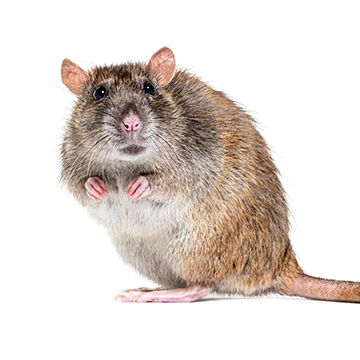
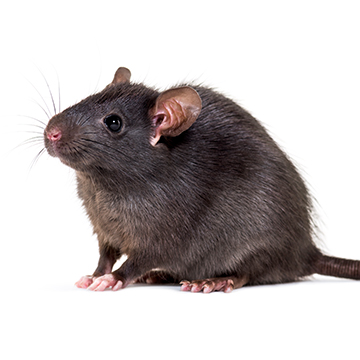


Rodents’ diet consists of a wide range of items including grains, fruits, insects and human food waste. Eating every accessible food makes them one of the most opportunist creatures!
Easy access to food, clutter providing hiding spots, and moisture from leaky pipes or poor drainage attract rodents to human habitats
House Mice :Gray to brown with a lighter belly with No distinct patterns
Norway Rat :Brown or gray, lighter underneath, No specific patterns
Roof Rat :Black or dark brown, No distinct patterns
Pack Rat :Gray to brown, sometimes with a white underbelly. Often has a speckled appearance
House Mice :Small, slender with large ears
Norway Rat :large body, tail shorter than body
Roof Rat :Slender with pointed nose, tail longer than body
Pack Rat :Medium size, bushy tail
Rodents in Arizona thrive in both urban and rural landscapes, often nesting in attics, under houses, or in natural desert environments. They seek shelter where they can access food and water.
It is advised to eliminate food sources like trash and open food containers, seal entry points, and maintain cleanliness. For effective rats control and mice treatment, contact Pestizan Pest Control and enjoy a top rated rodent control service employing Integrated Pest Management (IPM) methods.
Rodent population control is one of the most concerning issues in the big cities. The IPM plan for rats control will utilize all methods of rodent control which includes structure treatment, sanitation, monitoring of rodent populations, mechanical and biological control and the thoughtful use of rodenticides.
You can discover some of the potential consequences you might encounter due to a rodent infestation:
It is advised to seal potential entry points. Besides, managing food waste and keeping your home clutter-free is effective to prevent rodents.
Yes, they can transmit different diseases like Hantavirus to humans and cause many health threats.
Professionals can identify the problem and take the necessary actions to remove the root of infestations, tailored treatment and long-term prevention. Call us for more information and book your free inspection visit now.
No, rodents can infest clean environments if food and shelter are available.
Generally rodent control cost depends on the infestation severity and location. Our rodent control treatment fee starts from $99. Please contact us for an accurate estimate.