

Lice Pest Control Knowledge
Lice is a tiny parasite which is an expert at spreading through close contact and thrive on your body or in your clothes and bedding. They have the ability to turn a peaceful home into an itchy nightmare. Lice infestations can happen year-round and cause significant discomfort and also social embarrassment. Their presence needs an immediate effective treatment in order to prevent spread and reinfestation on the other hosts.
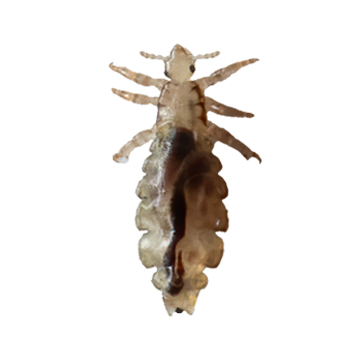
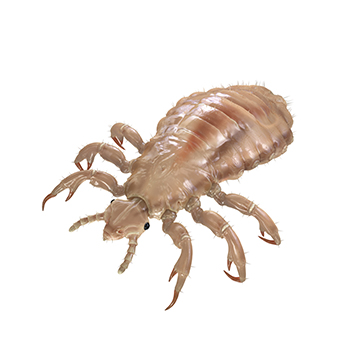

Itching: Persistent itching of the scalp, body, or pubic area due to lice bites.
Lice or Nits: Seeing live lice or their eggs (nits) on hair shafts or joints of clothing. They may be mistaken by dandruff
Red Bumps: Small, red bumps on the skin from lice bites.
Shared Items: Lice found on personal items like hats, brushes or sheets.
Head and Body Lice: 2-3 mm long.
Pubic Lice: Slightly smaller than head and body lice, around 1-2 mm.
Feed exclusively on human blood.
Human body warmth can attract lice. Also, close contact between people and sharing personal items like combs or hats can spread them.
Head Lice: Translucent to grayish-white, reddish after feeding.
Body Lice: Similar to head lice but with a more elongated body.
Pubic Lice: Crab-like appearance, dark brown or gray.
Flat, wingless insects with elongated bodies.
Avoiding direct contact and not sharing personal items like combs or hats can be the best advice. Getting rid of head lice can be done at DIY method using a lice/nit exterminator comb. Body lice can be treated by in-depth body washing. Also all contaminated clothing and bed sheets should be washed in hot water. For more information regarding lice treatment you can call us.
Dealing with parasites such as lice which invade human bodies are always overwhelming. Due to the family distress caused by them, it is so important to start lice treatment as soon as detecting them. Let’s check some of the harms can lice can bring to us:
Lice cannot live long away from a human host, but lice nits may fall off onto furniture.
Wet combing with a proper comb and using oils like tea tree or coconut can be helpful. But professional treatment is often required for complete lice extermination.
Avoid sharing personal items and visually check everyone in the household.
No, human lice do not choose pets as hosts.