

Bees Pest Control Knowledge
Bees are insects related to ants and wasps, best known for their vital role in pollination. However, when they build hives inside homes or near living areas, they can pose serious risks to people and pets. Some species, like Africanized honey bees, are highly defensive and may attack in large numbers.
To stay safe, it’s essential to understand bee behavior and know when to seek professional bee removal in Phoenix.
At Pestmode, our bee pest control experts safely remove hives, prevent re-infestations, and help protect both your property and these important pollinators.
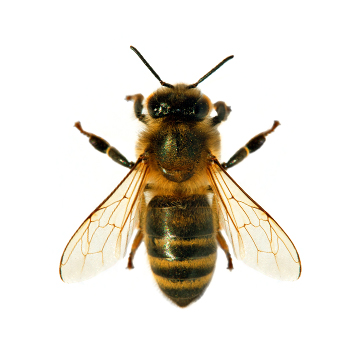

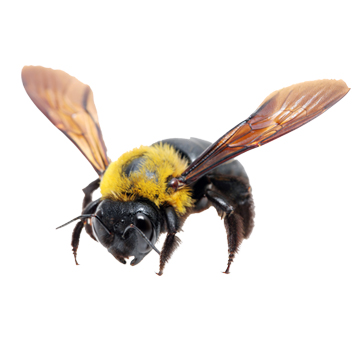
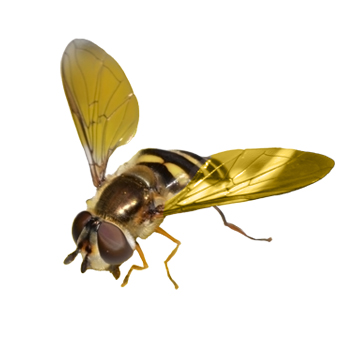

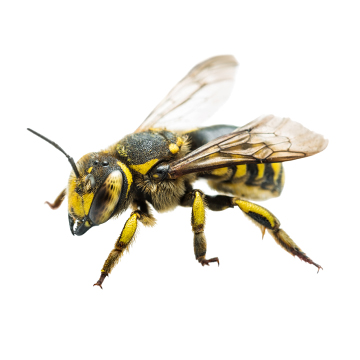


Swarming: Seeing large groups of bees flying, especially in spring.
Hives or Nests: you may see bee hives in trees, under eaves, or inside wall hollow areas.
Bees Entering: Bees repeatedly entering and exiting a specific area of your home.
Buzzing Sounds: Loud buzzing noise from walls or attics is a sign of active hive.
European Honey Bee:
approx. 12-15 mm
Africanized Honey Bee:
Slightly smaller than European Honey Bees. approx. 10-13 mm
Carpenter Bee:
Larger than honey bees, approx. 19-25 mm
Sweat Bee: approx. 3-10 mm
Bumble Bee: Generally larger than honey bees, 12-25 mm with some species approx. 30 mm
Leafcutter Bee: approx. 7-20 mm
Mason Bee: Body length varies by species but commonly approx. 7-15 mm
Cuckoo Bee: Varies widely among species, approx. 5-15 mm
Nectar, Pollen, Plant Resins.
European Honey Bee: Golden brown color with black stripes.
Africanized Honey Bee: So similar to European Honey Bees, golden with black bands, hard to distinguish by color alone.
Carpenter Bee: Shiny black abdomen. Often has a yellow or white thorax.
Sweat Bee: Varies from metallic greens and blues to black or brown with yellow markings.
Bumble Bees: Fuzzy black color with yellow or orange bands.
Leafcutter Bee: Black with white or yellow hair bands across the abdomen, giving a striped, banded look.
Mason Bees: Often a metallic blue or green, sometimes black with white or grey hairs.
Cuckoo Bee: Usually less hairy, colors can range from black to metallic blue or green with minimal patterns.
European Honey Bee: having a long and slender body
Africanized Honey Bee: Looks just like its European cousin, a narrow, elongated body.
Carpenter Bee: Robust with a big, round thorax
Sweat Bee: Small and thin shaped body
Bumble Bees: Chubby round cotton ball shape
Leafcutter Bees:
Leafcutter bees are long and cylindrical shaped
Mason bees: slightly more thicker than Leafcutter Bees
Cuckoo Bee: shinny and less hairy, with an elongated body
Honey Bees build their hives in open areas or in cavities, such as tree hollows.
Carpenter Bees nest in wood and create tunnels.
Sweat Bees nest in soil or wood.
To name some practical methods to avoid bees you can seal potential entry points and remove substances that attract them like standing water or overripe fruits.
You can also use bee spray in the places as a home remedy, but for safe and long lasting bee pest control you can contact Pestizan for professional bees treatment services.
Visually, It is hard to find out, but aggressive behavior is a clue. It is better to book a professional inspection session.
Due to the risk of getting stung, It’s recommended to seek professional help.
No, most of them are beneficial except Africanized bees which can be aggressive.
Pest control for bees in Arizona starts from $150. The cost may rise depending on the complexity of removal, hive location and type of service you need.