

Earwigs pest control knowledge
Earwigs are small nocturnal creepy pests with noticeable distinctive pincers. Earwigs get their name from the myth that they crawl into sleeping people’s ears and reach into the brain. They often creep into homes seeking moisture. Their presence causes an unpleasant environment in homes, mostly due to their appearance. Often, Earwig’s presence is a hint for an underlying moisture in the area.

Sightings: Spotting earwigs, especially at night in humid areas like bathrooms or kitchens.
Foul Odor: Detecting a mild, unpleasant smell from their defensive secretions.
Plant Damage: Observing chewed leaves in indoor plants or nearby gardens.
Pincer Marks: Finding small pinch marks on soft materials or organic debris.
Typically, between 5 – 25 mm long.
Earwigs are omnivorous. They eat rotten plant matter, small insects and live plants.
Moisture of leakage or poor drainage, organic debris like mulch and artificial light sources at nights are attractions of this pest.
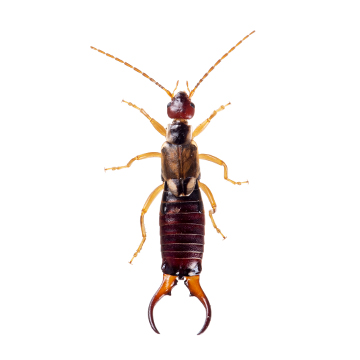
Europeans are dark reddish-brown with yellowish legs.
Ring-Legged are brown with faint yellow rings on legs.
Striped is dark brown with yellowish stripes along the body.
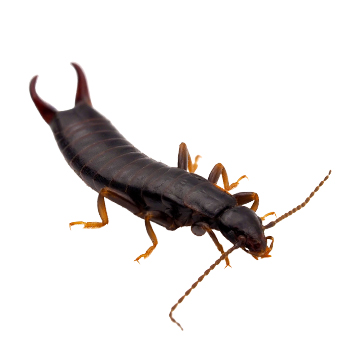
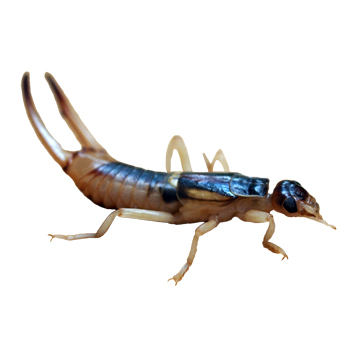
Long, slender bodies with prominent, curved pincers (cerci) at the abdomen’s end. Some species have short, leathery wings and others are wingless.
Earwigs nest under rocks, logs, mulch, or plant litter outdoors. They nest indoors in moist and dark spots like basements and bathrooms.
It is advised to reduce moisture by fixing leaks and clearing debris around your home.
Maintain your home sanitation and contact us for a professional earwig treatment.
You can use diatomaceous earth around the plants.
For long lasting results, call us for professional earwigs service.
No, this is a myth, they don’t target human ears but may accidentally enter anywhere.
Yes, simple traps like damp newspaper rolls can catch some of them, but professional earwigs pest control service is advised.