

Millipedes pest control knowledge
Millipedes are multi-legged pests, which are often mistaken for their more threatening cousins, centipedes. They are also referred to as “thousand-leggers” because of their many pairs of legs, but in fact, they just have 30 – 90+ pairs of legs. In Arizona, these slow movers can invade homes. While they are not potentially dangerous, they can signal moisture issues and be a hint for attracting other pests to the area, which makes the pest control service an inevitable decision.
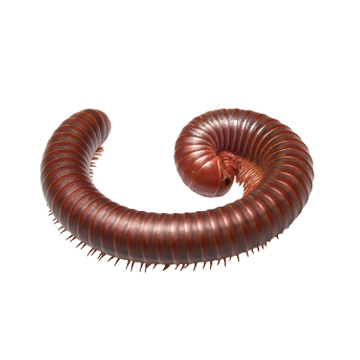
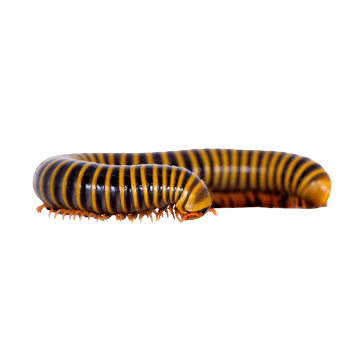
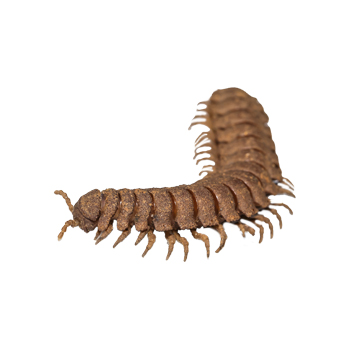

Sightings: Spotting millipedes curled into spirals, especially in damp areas.
Droppings: Tiny, dark pellets scattered on floors or counters.
Foul Smell: A mild, unpleasant odor from their defensive secretions.
Mass Migration: Large numbers appear after rain, often near foundations.
1 – 5 inches long, depending on species.
Decaying plant matter, fungi, and occasionally live roots.
High moisture levels, organic debris like leaf litter, and dark, undisturbed corners.
Cylindrical or slightly flattened, segmented bodies. Wingless.
Outdoors in soil, under rocks, or in mulch; indoors in basements or bathrooms. They favor Arizona’s moist microclimates despite the arid surroundings.
Generally, the most effective way to reduce millipede population is to minimize the areas of moisture around home by fixing leak spots and removing yard debris. To achieve effective results, it is better to consult us for a professional millipedes treatment.
They look for a dry shelter when outdoor conditions get too wet.
Millipedes are not harmful until they get eaten by pets. In which case, millipede secretions may cause irritation for your pet.
Yes, they often dehydrate within days unless moisture is available.
It is challenging to identify millipedes from centipedes, but on a closer look, Millipedes and centipedes differ in their leg shape. Millipedes as non-venomous insects have two pair of legs on each body segments while centipedes as venomous pests has one pair of legs on each segments.