

termite control knowledge
Termites are small pests that live in colonies and feed primarily on wood. They’re often called “silent destroyers” because they can cause extensive damage to your home’s structure without you even knowing they’re there. Effective termite control is essential to protect wooden beams and supports from hidden damage.
Termites can compromise the structural integrity of buildings by eating away at wooden beams and supports.
This damage might not be visible until it’s severe, potentially leading to costly repairs. They thrive in moist environments, making homes with water damage particularly at risk. If you neglect, termite infestations can decrease property value and create unsafe living conditions.
Check out below termite images to know more about the different types.
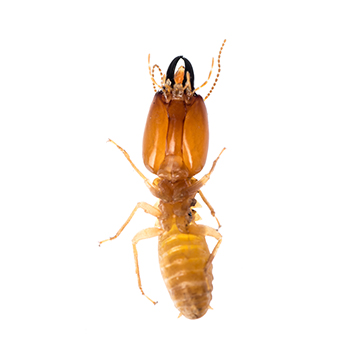
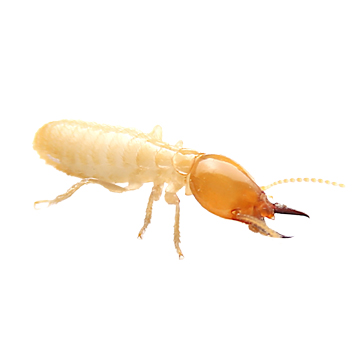
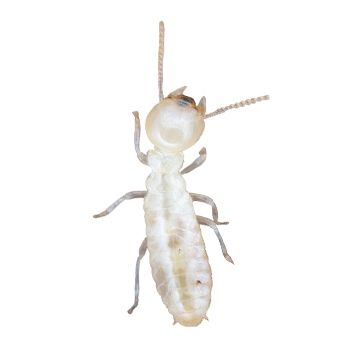
It can be challenging for homeowners to detect evidence of wood-eating insects because they are hidden inside the wooden parts or underground. Termites are almost no detectable, but they often leave behind some clues.

Workers are 3-6 mm; soldiers slightly larger; winged reproductive ones up to 12 mm.
Reproductive termite may know as flying termite have two pairs of wings of equal length but workers and soldiers are wingless.
Cellulose from wood, paper, and other plant materials.
Termites are attracted to moisture, which facilitates the breakdown of wood, provides them warm environment for their metabolic processes, and it is easy food source when wood comes into contact with the soil.
Workers are usually pale, soldiers and reproductive (queen Termite) vary from light brown to dark brown , black or in some species red. No distinct patterns; body segments are clear with a soft exoskeleton.
Elongated with a broad thorax and abdomen, no pinched waist.
Termite nest in soil (which called termite mounds), dead wood, or within the structural wood of buildings. Subterranean species build mud tubes for protection, while drywood termites colonize directly in dry wood.
Early detection is the key! Keep wood substances away from soil contact.
Call Pestmode for professional termite inspection and premium termite treatment.
We believe termite treatment starts from household knowledge. Therefore, identifying termite signs can be helpful for a decision of an instant termite inspection to avoid future costly consequences. Call us for a free termite inspection session.
Since it’s a challenge to distinguish ant vs termite, it is necessary to take a termite inspection to find out about exact pest control treatment.
We offer different plans to keep Termite away from your house.
Yes, swarmer termites have a pair of wings and they can fly. They are often identified mistakenly as flying ants at first sight.
The cost of termite control varies. A detailed termite inspection is needed for accurate estimates. You can call us for a free inspection; a top-rated termite control company in Arizona.