

Ticks Pest Control Knowledge
Ticks are tiny arachnids with four pairs of legs. Ticks have a notorious habit of blood sucking which can pose health risks to both humans and pets. They do not jump or fly, they just crawl up grass to find their meal and reach their front legs out to grab onto a passing animal or human. Unlike many other biting pests, ticks are adapted to feed for long periods, requiring 24-48 hours of feeding before they can transmit infections to their hosts. This makes the removal of this pest so crucial. In Arizona State, Tick presence can turn outdoor walk into a health concern, especially in summer.
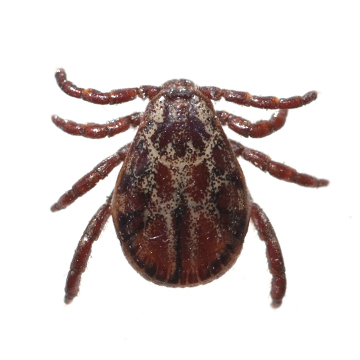
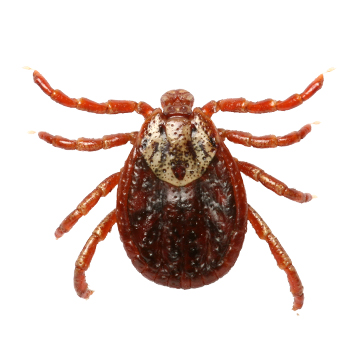
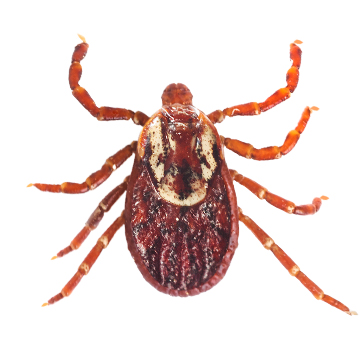

Ticks on Pets: Finding ticks attached to or crawling on Dogs.
Human Bites: Discovering ticks on your body or the signs of their bite, often after outdoor activities.
Nymphs or Eggs: Spotting crawling nymphs or egg clusters in pet resting areas or near windows.
Increased Pet Scratching: Finding your pet scratches itself more than usual.
Adult ticks are 3 to 5 mm long when they are unfed. They can swell to 1 cm when fed.
Ticks feed on blood from mammals, birds and sometimes reptiles.
Hosts like pets or wild animals are great attractions for ticks.
Oval, with a flat body before feeding, becoming more rounded and swollen afterward. Ticks are Wingless.
Ticks live in but can adapt to urban environments also, where they can wait for their hosts to attach.
It is necessary to keep your yard always trimmed. Using tick repellents on pets and checking them for ticks after outdoor activities are also considered as DIY methods for tick control.
If you suspect or discover a tick infestation, it is advisable to contact us to get a professional pest control service.
When it comes to ticks, the most important action is to secure your home and yard by taking prevention actions immediately, because in most cases, ticks pest control cost is less than the damages compensation.
yes they can invade your home by their hosts or their belongings, while they prefer an outdoor environment.
Regular pet grooming and tick check after outdoor exposure is recommended. Using pet friendly tick repellents can also be effective.